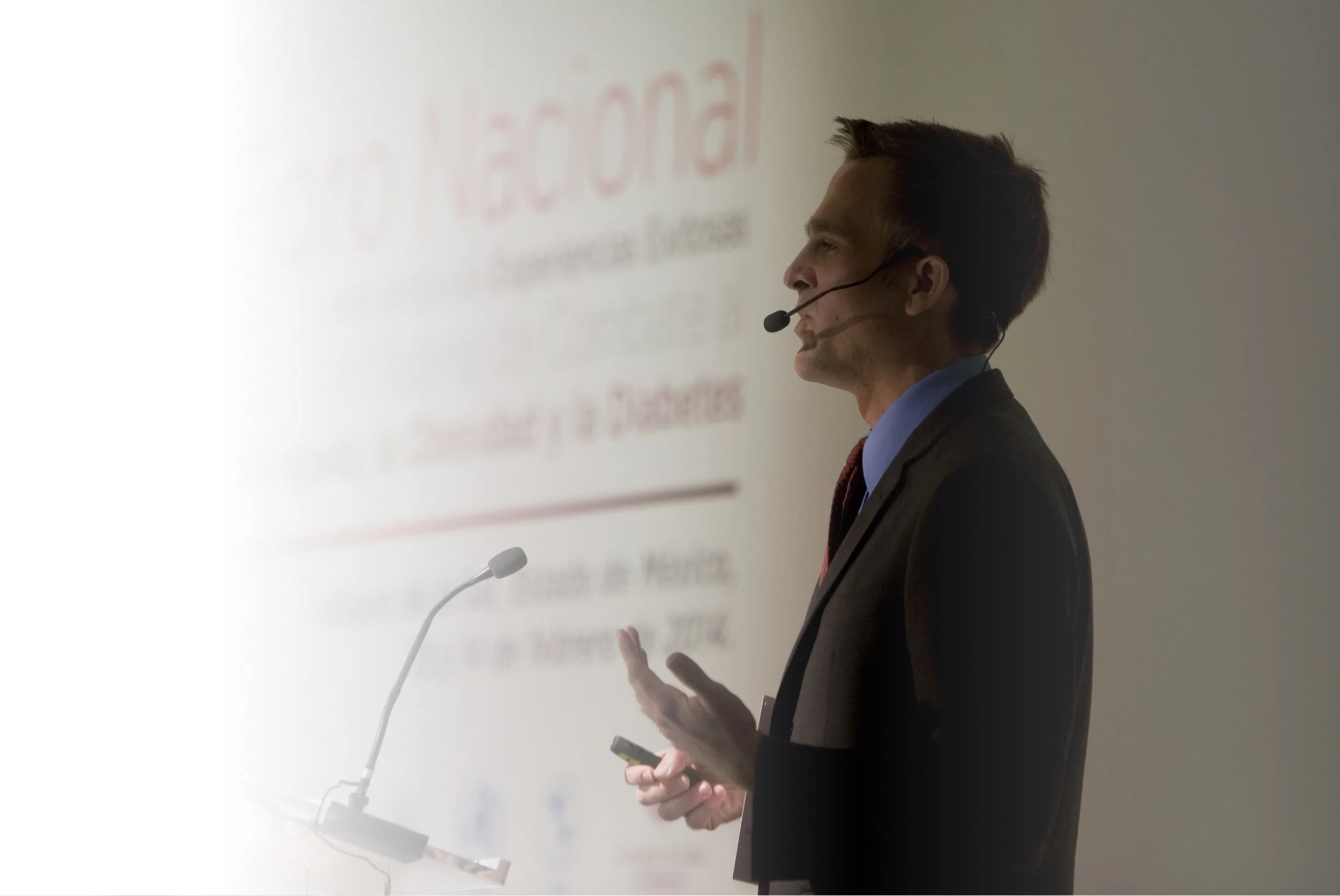
Dan Taber, PhD
Building how we know whether AI is safe
I lead research and applied AI for Trust & Safety at Spotify. My work is figuring out how to tell whether new AI is safe before there's an established way to check, and building the teams and practices that make the answer stick. I built Spotify's first Trust & Safety data science team and its AI stress-testing practice, and started Indeed's Responsible AI program.
Current Work

Most of my time now goes to evaluating generative AI: how to test the safety of conversational AI assistants across long, multi-turn conversations, and how AI features across Spotify get evaluated for safety before they launch.
Some of my achievements include:
• Developing an LLM-based review of Spotify's 200M+ item catalog against a safety policy, completed in three months at under 1% of the expected cost.
• Designing Spotify's AI stress-testing playbook, used across product areas before AI features launch.
• Spotify's first measurement of how often users encounter harmful content, presented to the Safety Advisory Council.